All Categories
Featured


The Complete Guide to Hardwood Care
Table of Contents
Vacuum or dust mop the complete floor frequently. Use a manufacturer-approved cleaner when the flooring requires a much deeper cleaning. Check corners, rug edges and areas below furnishings for trapped debris. Consistency matters more than aggressive scrubbing. Removing dirt before it grinds into the surface assists protect the flooring with less work.

Solid wood, engineered wood and wood-look products have various care requirements. Even 2 wood floors can require different products since their surfaces aren't the exact same. Start with the floor covering manufacturer's written care guidelines. If those aren't offered, try to find the item name or setup records. A flooring professional can also help recognize the material and surface.
Apply the product as directed rather than presuming a stronger concentration will clean up much better. Active ingredients that appear moderate can impact a finish over time.
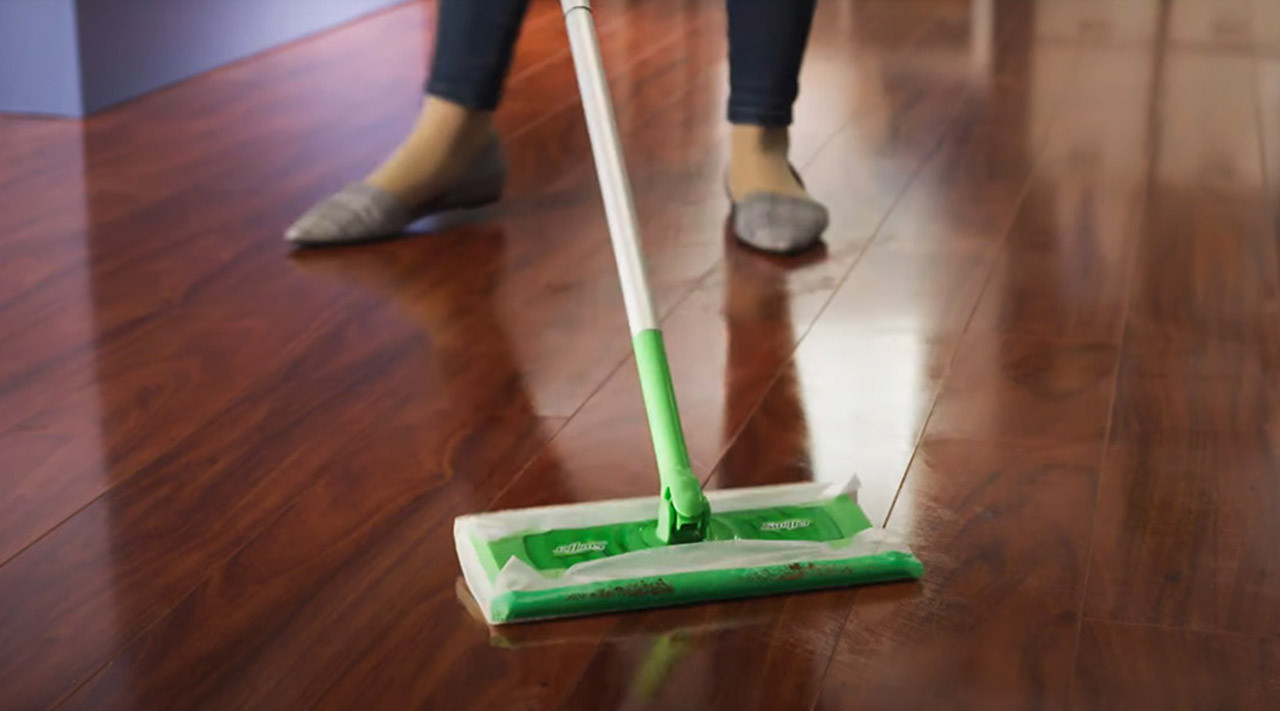
Test any approved cleaner in a small, inconspicuous area initially if you doubt about how the finish will react. Water and wood flooring don't mix well when moisture is permitted to sit. Excess water can go into joints, affect the finish or contribute to swelling and staining. Use a lightly dampened mop instead of a soaking-wet one.
Professional Carpet Preservation Methods for Homes
Prevent utilizing bleach, ammonia, abrasive scrubbers or other extreme items unless the floor covering maker specifically approves them. Steam introduces heat and moisture into the flooring, consisting of along joints and joints.
More water does not mean a much deeper clean. The objective is to raise dirt without saturating the wood or finish. Preventive care lowers the quantity of cleansing and repair a hardwood flooring needs. Start at outside doors, where much of the dirt and moisture enter the home. Location mats at entryways to catch grit before it reaches the floor.
Examine the floor covering manufacturer's assistance before choosing a rug pad. Utilize a nonstaining pad advised for the floor covering.
Why Professional Floor Maintenance Matters for Value
Pads can use down or gather grit that scratches the floor when furnishings relocations. Never ever drag heavy furniture throughout hardwood.
Dry the area completely when ended up. Pay attention to spills near plank seams, along walls and underneath cabinets or appliances. Moisture can gather in places that aren't right away noticeable. Sticky or dried spills may take more than one gentle cleaning. Withstand the urge to scrape the flooring with a sharp tool or utilize a more powerful chemical.
Surface area cleansing may not resolve moisture that has actually reached the wood or subfloor. Routine cleaning is also a chance to check the floor.
Stains Coming Back After CleaningDeep scratches that expose bare wood need more attention due to the fact that the protective layer has actually been broken. Moving rugs and furnishings occasionally can encourage more even color modifications, however owners need to follow producer assistance before placing or moving floor coverings.
Routine care can secure hardwood, however it can't correct every problem. A flooring specialist ought to assess prevalent finish loss, deep scratches, water damage, loose boards or considerable staining.
How to Properly Maintain Hardwood Flooring in 2026
Some floors can be screened and recoated to revitalize the protective finish. Others might require sanding and refinishing. Engineered wood can have limitations on just how much sanding it can tolerate, depending on the thickness of its real-wood wear layer. Individual damaged boards may often be fixed or replaced without refinishing the full room.
Stains Coming Back After CleaningDo not wait till exposed wood or moisture damage spreads. The most reliable hardwood flooring care isn't made complex.

Latest Posts

How to Safely Clean Hardwood for 2026

The Expert Guide to Floor Maintenance

Refresh Your Home With Expert Jackson Services